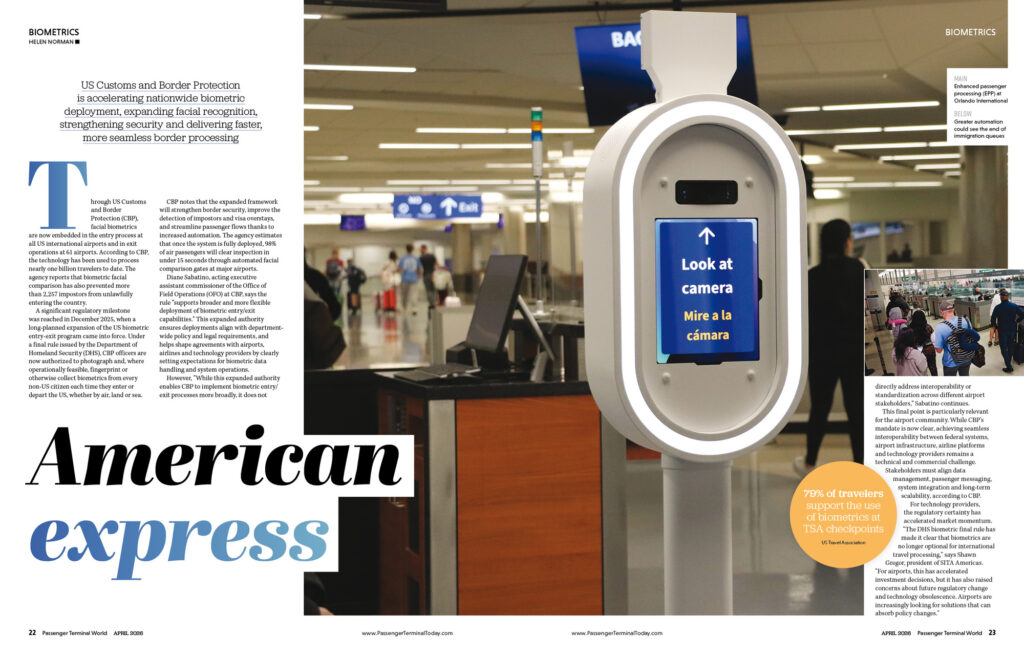

Marisa Von Wieding, VP of operations at New Terminal One (NTO), JFK International Airport, recently spoke to PT World about the introduction of Enhanced Passenger Processing (EPP) in the facility, as part of our biometrics coverage in the April 2026 issue. Here’s the interview in full:
What is CBP’s EPP program, and how does it work alongside other programs (Entry-Exit, Global Entry) at NTO?
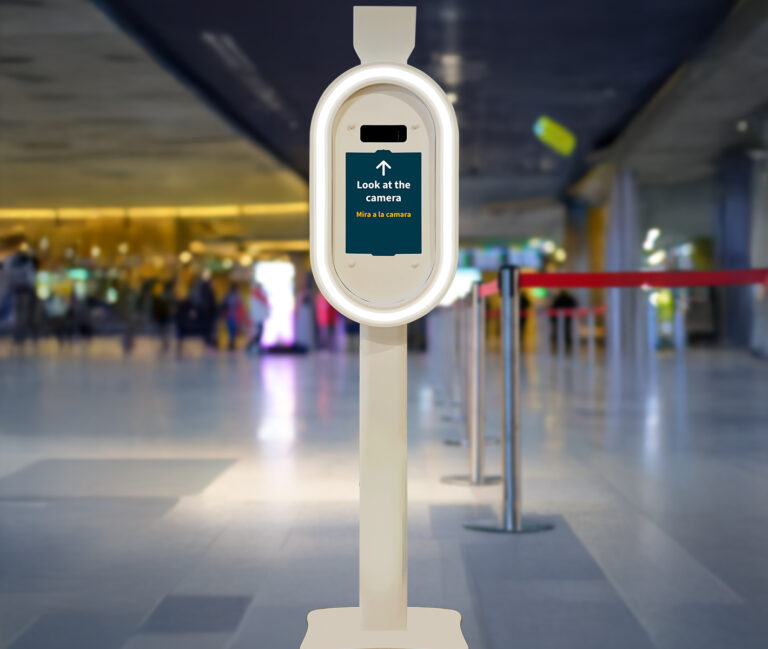
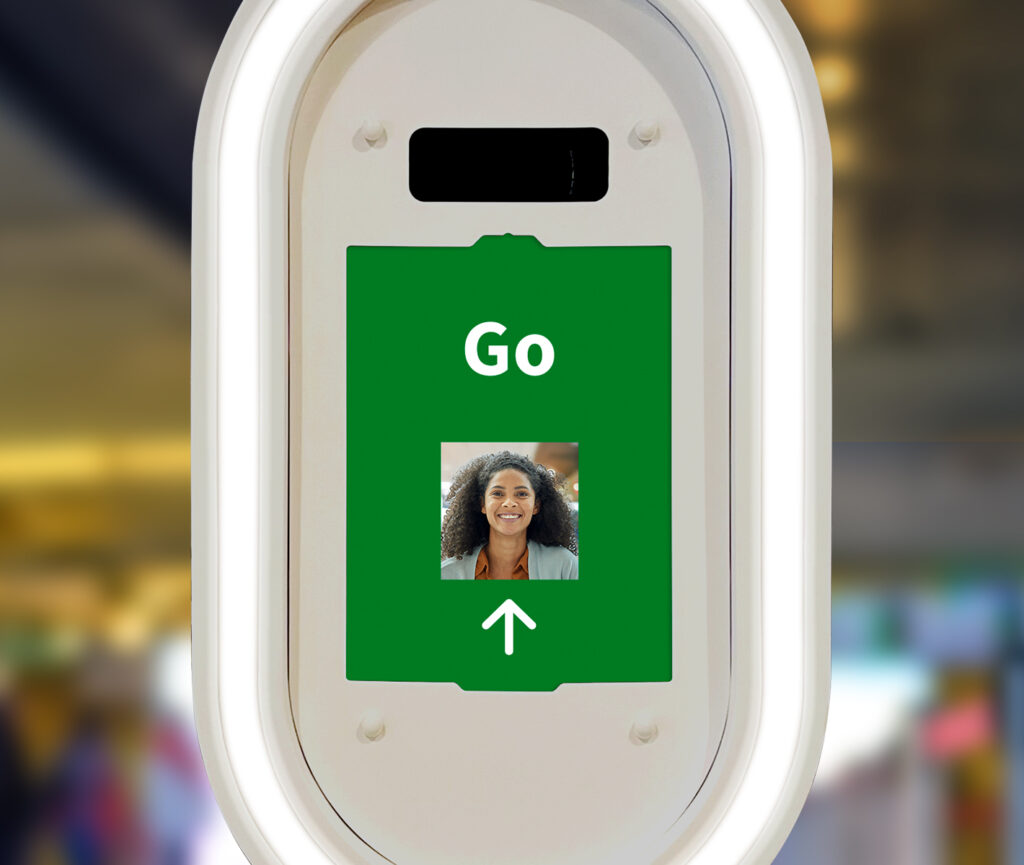
Enhanced Passenger Processing (EPP) is a touchless, biometric-enabled identity verification capability that helps CBP confirm a traveler’s identity in real time at international arrivals. At New Terminal One, EPP will support a faster and more seamless inspection process for eligible US citizens while maintaining strong border security standards.
EPP complements CBP’s broader biometric Entry-Exit framework, which strengthens identity verification across the travel continuum. It does not replace trusted traveler programs like Global Entry. Instead, it enhances the standard arrivals process and is designed to require no advance enrollment or fee for eligible travelers.
What technology will be rolled out at NTO as part of EPP – and will it be rolled out to other terminals?
NTO is partnering with CBP and iProov to deploy advanced facial biometric technology that enables real-time identity verification for eligible US citizens upon arrival. EPP is launching at NTO as part of our partnership with CBP. The program has been deployed at multiple US airports. CBP, in partnership with its stakeholders, determines where and how it expands nationally. Any future deployment decisions at other JFK terminals would be made by CBP in coordination with airport and terminal stakeholders.
What are some of the biggest operational challenges when integrating biometric border processing into existing terminal layouts and arrival flows?
The primary challenges are less about the technology itself and more about operational integration.
International arrival halls operate at peak intensity, particularly when multiple widebody aircraft arrive close together. Integrating biometric capture points, maintaining clear opt-out pathways, preserving queue flow and ensuring network resiliency all require careful coordination.
From day one, this has been a close and highly coordinated effort with the CBP team. We worked side by side with CBP leadership, frontline officers and technical teams to ensure the solution aligns with operational realities on the ground. Their input shaped everything from lane configuration and sightlines to contingency planning and exception handling.
That level of collaboration allowed us to design flexible layouts, intuitive passenger flows and resilient infrastructure that support CBP’s mission while allowing the program to operate effectively without disrupting peak international traffic.
How has biometric processing affected KPIs such as wait times, throughput and passenger satisfaction?
The objective of EPP is to help CBP officers verify identities more efficiently, reduce wait times for US citizens and better allocate resources. When identity verification can be streamlined, officers are able to focus more attention on higher-risk travelers while maintaining strong enforcement standards.
Although NTO has not yet opened, the simulations, modeling and operational planning conducted in close coordination with CBP show significant promise from customer experience and facilitation perspectives. Based on performance outcomes observed at other airports, biometric-enabled processing has demonstrated measurable reductions in wait times and improvements in overall passenger flow. We look forward to validating those projected benefits in a live operating environment once the terminal opens, and continuing to work closely with CBP to optimize performance.
Looking ahead, how is NTO futureproofing its biometric infrastructure?
Futureproofing begins with building modular, flexible infrastructure that can adapt to evolving technologies and regulatory requirements. At NTO, we are investing in secure networks, scalable systems and adaptable layouts that allow us to support new biometric use cases without significant reconstruction. The goal is to ensure that as CBP programs evolve, our facility is ready to support them.
What other biometrics and border control investments is NTO planning?
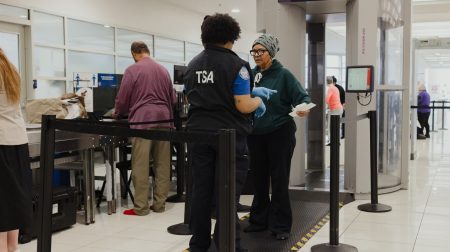
NTO is excited to collaborate closely with CBP and TSA to support their operational efficiency while delivering new and meaningful benefits for travelers. Both CBP and TSA have been forward-leaning and innovative in leveraging biometrics to strengthen security and modernize the travel experience, and our focus has been to reflect that innovative spirit and identify opportunities where New Terminal One can serve as a leader in advancing the future of travel.
As federal agencies continue to push the boundaries of what is possible, NTO is committed to being a proactive partner and a platform for next-generation border and security technologies that elevate both mission performance and the passenger journey.
When will we see a truly walk-through, seamless border control solution?
We are already moving in that direction. EPP represents a significant step toward a more frictionless arrivals experience by leveraging biometric identity verification in real time.
We are also encouraged by CBP’s progress on Seamless Border Entry, which marks the first time a traveler can move through an international arrivals hall without stopping for a traditional inspection interaction.
A fully walk-through end state will continue to depend on operational validation, regulatory considerations and infrastructure readiness. But the trajectory is clear: border control is becoming more seamless, more intuitive and more aligned with how modern travelers expect to move through airports, all while preserving the integrity of the mission.
Any final thoughts?
Our partnership with CBP and TSA has never been more important or more rewarding. As international travel volumes grow and technology continues to evolve, close coordination between terminal operators and federal partners is essential. We have been very fortunate to work alongside the CBP and TSA teams at JFK, whose professionalism, operational discipline and forward-leaning approach to innovation have been instrumental in shaping these efforts.
From strategic planning and facility design to technology integration and frontline operational testing, CBP and TSA have been deeply engaged at every stage. Their willingness to collaborate early, pressure-test assumptions and think creatively about how biometrics and modernized processes can enhance both security and facilitation has made a meaningful difference. That level of trust and shared purpose is what enables real progress, strengthening the federal mission while positioning NTO as a next-generation gateway for international travel.
This interview was part of PT World’s research for our biometrics feature in the April 2026 issue – read the article here and subscribe to receive future issues here.