
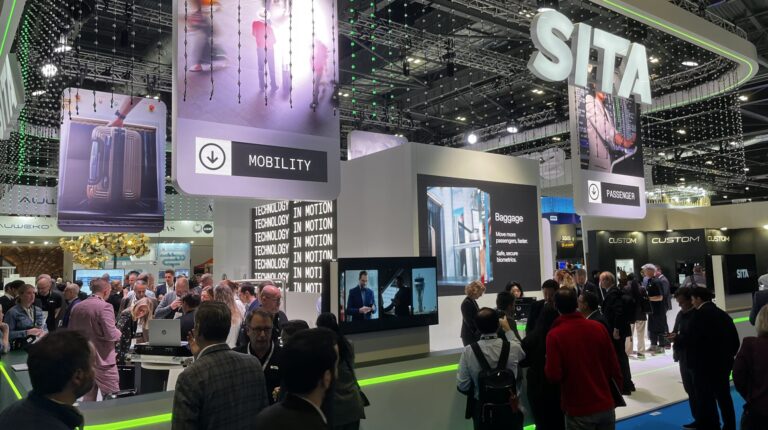
SITA has launched SITA Bag Radar at PTE World 2026 in London. The cloud-based analytics solution is designed to help airlines, airports and ground handlers identify baggage disruptions earlier by using predictive insights.
The system analyzes operational baggage data to detect risks such as missed connections, mishandled bags and bottlenecks before they escalate into wider operational issues. SITA said the platform combines historical data, real-time monitoring and AI-driven analytics to provide earlier visibility across the baggage journey.
Baggage mishandling remains a significant operational challenge for the air transportation industry. According to SITA, much of the data required to prevent disruptions already exists but has traditionally been used to investigate issues after they occur rather than to anticipate them.
Nicole Hogg, director of baggage at SITA, said, “Airlines and airports already generate huge volumes of baggage data every day, but much of that information has historically been used to investigate problems after disruption has already happened.”
She added, “As passenger demand grows, operations teams need earlier visibility of risks so they can act before missed connections or bottlenecks turn into mishandled bags. By combining global baggage data with analytics and AI-driven predictive insights, SITA Bag Radar helps teams anticipate disruption and intervene sooner across the baggage journey.”
The platform integrates with existing baggage data sources, including SITA’s WorldTracer baggage messaging system, baggage reconciliation systems and departure control systems, as well as selected third-party systems. It consolidates these inputs into a single cloud-based environment, providing a unified view of baggage operations.
Operational teams can access insights through web-based dashboards that highlight performance trends and emerging risks. This allows earlier intervention, which SITA said can help reduce mishandling rates, improve efficiency and lower associated costs.
The company said the system is designed to work with existing infrastructure, enabling deployment without major integration or capital investment. Organizations can begin with historical analysis and expand to real-time and predictive capabilities over time, either at individual locations or across wider networks.
SITA said the goal is to help operators move from reactive to proactive baggage management, improving both operational performance and passenger experience.
For more information, visit SITA on Booth C240.
It’s not too late to attend PTE World! The show runs until March 19, so click here to obtain your FREE entry pass