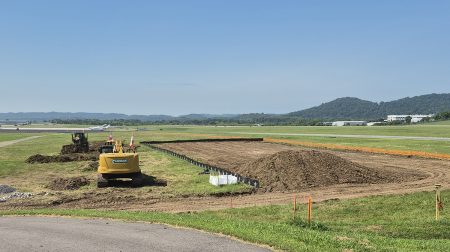

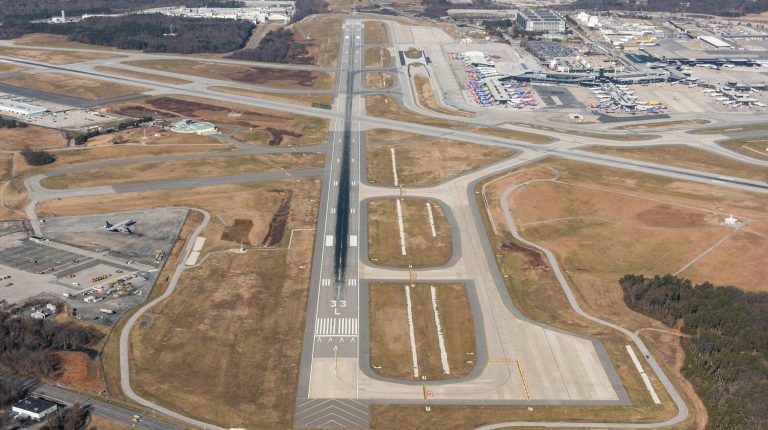
Baltimore/Washington International Thurgood Marshall Airport (BWI Marshall) will temporarily close its longest commercial runway this summer as part of a major rehabilitation project. Construction on Runway 10-28 is scheduled to begin July 22 and continue until October 8.
The project includes milling and paving the runway along with an upgrade to its electrical system to install modern LED runway lighting. Runway 10-28 is one of two commercial runways at the airport and, at 3,200m, the longest. During the closure, local residents may notice changes in airline flight patterns near the airport.
Shannetta Griffin, executive director/CEO of the Maryland Aviation Administration (MAA), said, “With this major project, we are enhancing Maryland’s gateway and improving the heart of BWI Marshall Airport. This runway rehabilitation project will help ensure the long-term safety, reliability and operational efficiency of the airport.”
The MAA said it will work to minimize disruptions to airport operations and the customer experience during the closure.
A second runway, 15R-33L, will also see scheduled overnight closures during part of the project to accommodate paving work at the intersection of the airport’s two primary runways. These overnight closures are scheduled between August 4 and October 7 and were coordinated with the Federal Aviation Administration, commercial airlines, cargo carriers and other airport stakeholders. Outside these scheduled overnight periods, Runway 15R-33L will remain fully operational.
The Maryland Board of Public Works approved an US$83.8m contract for the project on March 18. Funding comes from the FAA’s Airport Infrastructure Grant program and the Maryland Transportation Trust Fund. The work will be carried out by a joint venture of Allan Myers and P Flanigan and Sons, both contractors with extensive paving experience at BWI Marshall, with Glenelg Construction serving as electrical subcontractor.
BWI Marshall offers about 300 daily non-stop departures to 92 domestic and international destinations and generates a total annual economic impact of US$11.3bn, supporting more than 107,000 jobs throughout the region.
Related news, Construction begins on Queenstown Airport’s first heavy taxiway