

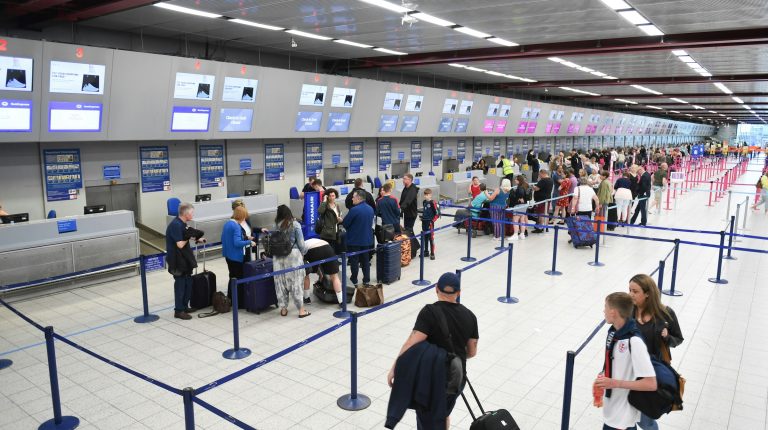
Airports Council International (ACI World) has launched its Policy Agenda 2030, which warns that outdated regulatory frameworks risk constraining growth, capacity and sustainability.
Director general Justin Erbacci said, “The question is no longer whether demand will grow, but whether policy will enable it. Regulatory frameworks must evolve to empower airports and position them as strategic assets that drive economic and social development. ACI World is urging governments and regulators to adopt policies that enable airports to deliver greater capacity, connectivity, resilience and socio-economic value.”
ACI World’s Policy Agenda 2030 outlines a set of priority actions for regulators and decision-makers. It identifies four key airport industry policy priorities, aimed at modernizing aviation:
-
Airports as businesses: Recognize airports as strategic assets and competitive businesses in their own right; promote aviation’s economic development, connectivity and broader benefits;
-
Airport capacity enhancement: Modernize slot policy; support aviation system capacity growth; enhance facilitation to improve the passenger experience; and support the airport workforce in addressing future challenges;
-
Safety, security and operations: Maintain risk-based, outcome-oriented global safety policies; emphasize optimization, prioritization and effective security frameworks aligned with evolving risks;
-
Sustainable growth and decarbonization: Recognize the enabling role of airports in decarbonization efforts; intensify coordinated action on climate adaptation and resilience; and protect sustainable growth while enhancing local environments and communities.
The Policy Agenda 2030 complements ACI World’s 2025-2030 Strategic Plan and aligns with the ICAO Strategic Plan 2026-2050. Together, these plans identify the policy actions needed to unlock the full potential of airports.
In related news, ACI World releases global airport traffic forecasts as long-term demand growth continues