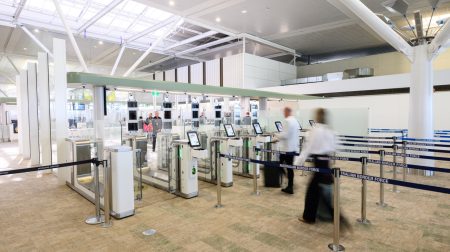


New Zealand has begun a program to modernize its civil aviation rules and processes, including issues raised within International Civil Aviation Organization (ICAO) audits. The government says new security rules will reflect the level of risk and “reduce the burden of unnecessary costs and infrastructure on smaller and regional airports.”
Starting April 2027, the government will consider new security tiers for different types of airports, which may allow different methods for managing security while still effectively mitigating risk.
In addition, improvements will be made to air cargo security to minimize the risk of dangerous items boarding aircraft. Cybersecurity will also be addressed to reduce civil aviation’s vulnerability to cyberattack and/or poor digital security practices. The government will consider establishing minimum requirements and related standards, and setting up oversight mechanisms to maintain awareness of emerging threats. This project is expected to require significant policy investigation and coordination across agencies, and may affect multiple rule parts relevant to aviation safety and security. It will link to other work being undertaken by the Department of the Prime Minister and Cabinet to enhance the cybersecurity of critical infrastructure.
Among other measures, the government aims to modernize rules related to carrying portable electronic devices, such as cell phones, Bluetooth tracking devices such as AirTags, and wireless Bluetooth earbuds such as AirPods.
In related news, Air New Zealand trials digital ID