

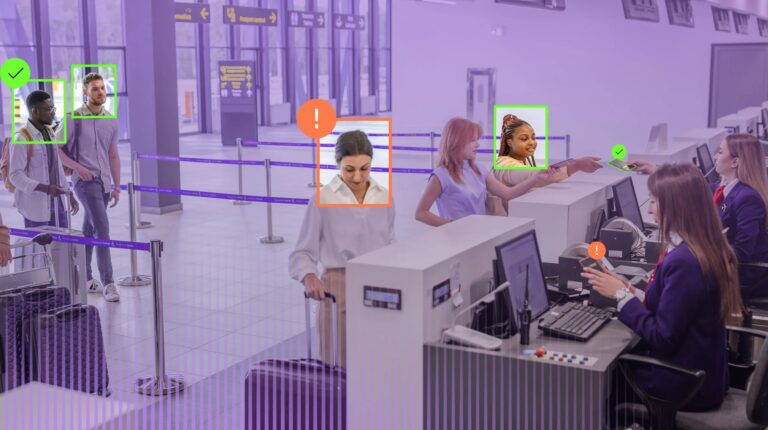
Regula Forensics, a developer of identity verification systems, has released the Airport Identity Risk Index 2026 report, which assesses the identity threats faced by airports and predicts how they are expected to evolve through 2028.
Built on real-world airport deployments, the report reflects how identity systems – including automated gates, remote enrollment workflows, biometric checkpoints and digital travel credentials – (DTC) operate under pressure.
The Airport Identity Risk Index reveals that while traditional threats such as forged physical documents remain prevalent today, their relative impact is expected to decrease as airports deploy more advanced scanners and automated document checks. At the same time, identity risks tied to digital workflows are gaining momentum.
The report notes that inconsistent chip and certificate validation is emerging as one of the fastest-growing exposure points, particularly as e-passports, mobile identities and DTCs rely more heavily on cryptographic trust. In addition, Regula says boarding pass and digital identity tampering remain a persistent threat as QR- and mobile-based credentials become more widespread, and weak app, scanner or backend validation allows attackers to alter access parameters and bypass controls.
“The biggest shift we’re seeing is not just new attack techniques but a change in where identity fails,” said Arif Mamedov, CEO of Regula Forensics. “Risks are moving away from the physical checkpoint and into digital, cryptographic and biometric layers that weren’t designed to fail loudly. All this implies that identity security at airports can no longer be treated as a series of isolated checks. It has to function as a continuous, multilayered system.”
Regula advises airports to build a layered identity defense that spans the entire passenger journey.
Related news, Hamad International introduces Sunflower program to support passengers with hidden disabilities